China Potato Flakes Supplier · Core Potato Flour Product
Buyer FAQ: Sourcing Potato Flakes from China
What is the difference between Potato Flakes and Potato Granules?
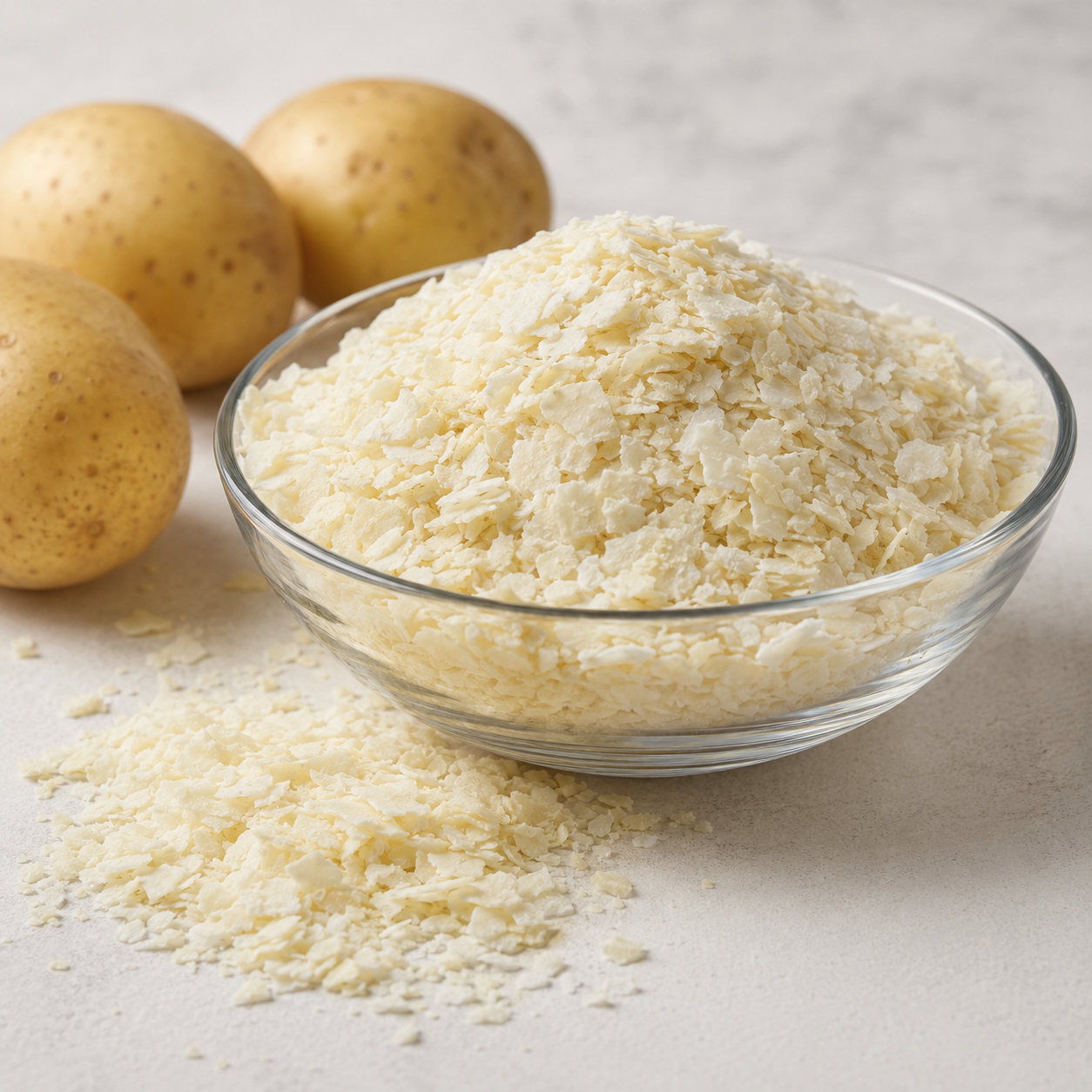
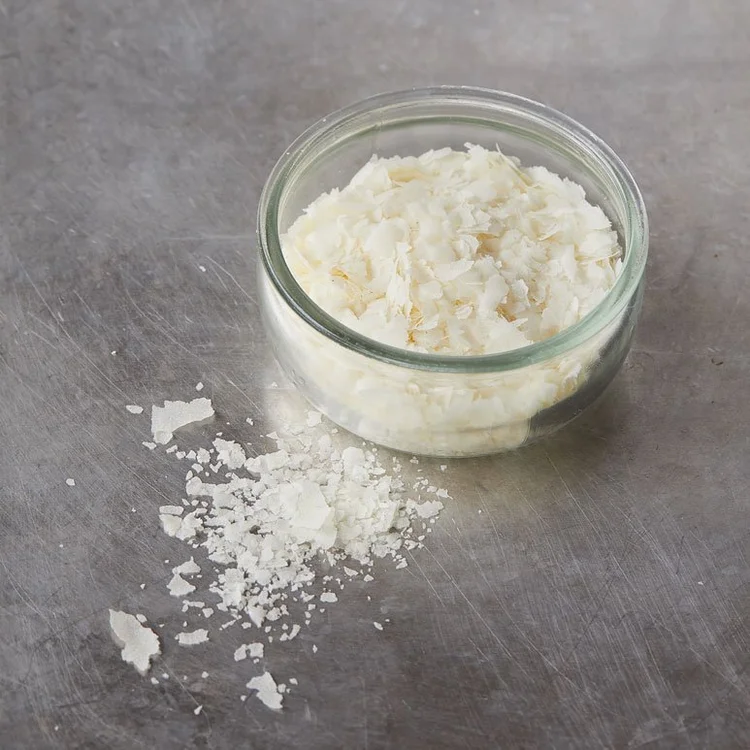
Both are dehydrated whole-potato ingredients, but their structure and processing behaviour differ. Potato Flakes retain a flake format and are commonly considered where fast hydration, whole-potato solids and a direct texture contribution are important. Potato Granules are more granular and are often worth comparing when dry-flow handling, dosing consistency and controlled rehydration matter. For a new formulation, test both under the same water addition, mixing and processing conditions instead of choosing only by price or product name.
Which foods are best suited to Potato Flakes?
Common routes include fabricated potato chips, instant mashed potatoes, formed potato foods, selected bakery and noodle products, prepared foods and other formulations that need whole-potato solids and potato character. Suitability still depends on the finished texture, hydration method and frying, baking or forming process. If the main requirement is thickening, binding or instant cold-water dispersion, Potato Starch, Modified Potato Starch or Pregelatinized Potato Flour may be the more relevant category.
Which specifications should I compare when buying Bulk Potato Flakes?
Prioritise the parameters that affect your process: flake or particle format, colour, moisture, hydration behaviour, black specks or visible matter, microbiological limits, packing and shelf life. For fabricated chips and other fried foods, reducing sugar can become especially important because it may influence frying colour. Ask for the current specification of the exact grade being quoted or sampled rather than relying on a generic data sheet.
Why does reducing sugar matter in fried applications?
In fabricated potato chips and other fried systems, reducing sugar can influence colour development during heating. A buyer should not judge only one number; the relevant specification needs to be assessed together with oil temperature, frying time, formulation and the target finished colour. If frying colour is a critical acceptance point, include a realistic frying trial during sample approval.
What should I record during a Potato Flakes sample trial?
Keep water temperature, water ratio, mixing time and holding time controlled, then record hydration speed, lumping, uniformity, texture and flavour. Fabricated-chip buyers should also record dough handling, forming integrity, frying colour, blistering and crispness. Bakery or prepared-food users should monitor dough, filling or finished-product behaviour through processing and holding. This creates usable evidence for comparing grades and suppliers.
Can I request samples, TDS and COA before a bulk order?
A sample and technical-document review can be discussed around the actual application. Tell the supplier the finished food, target performance, trial quantity and expected commercial volume, and request the current TDS or specification for the selected grade. During batch review, use the relevant COA for the critical items. Make sure the sample, specification and quotation all refer to the same product grade.
What information should I provide when requesting a China Potato Flakes quotation?
For a useful Bulk Potato Flakes quotation, provide the finished food or application, known specification requirements, expected quantity, packing requirement, destination country or port and preferred trade term. If the correct grade is not yet clear, describe the hydration, frying, extrusion or other process conditions first so the initial sample can be selected before commercial terms are finalised.
How should I evaluate a China Potato Flakes Supplier for long-term purchasing?
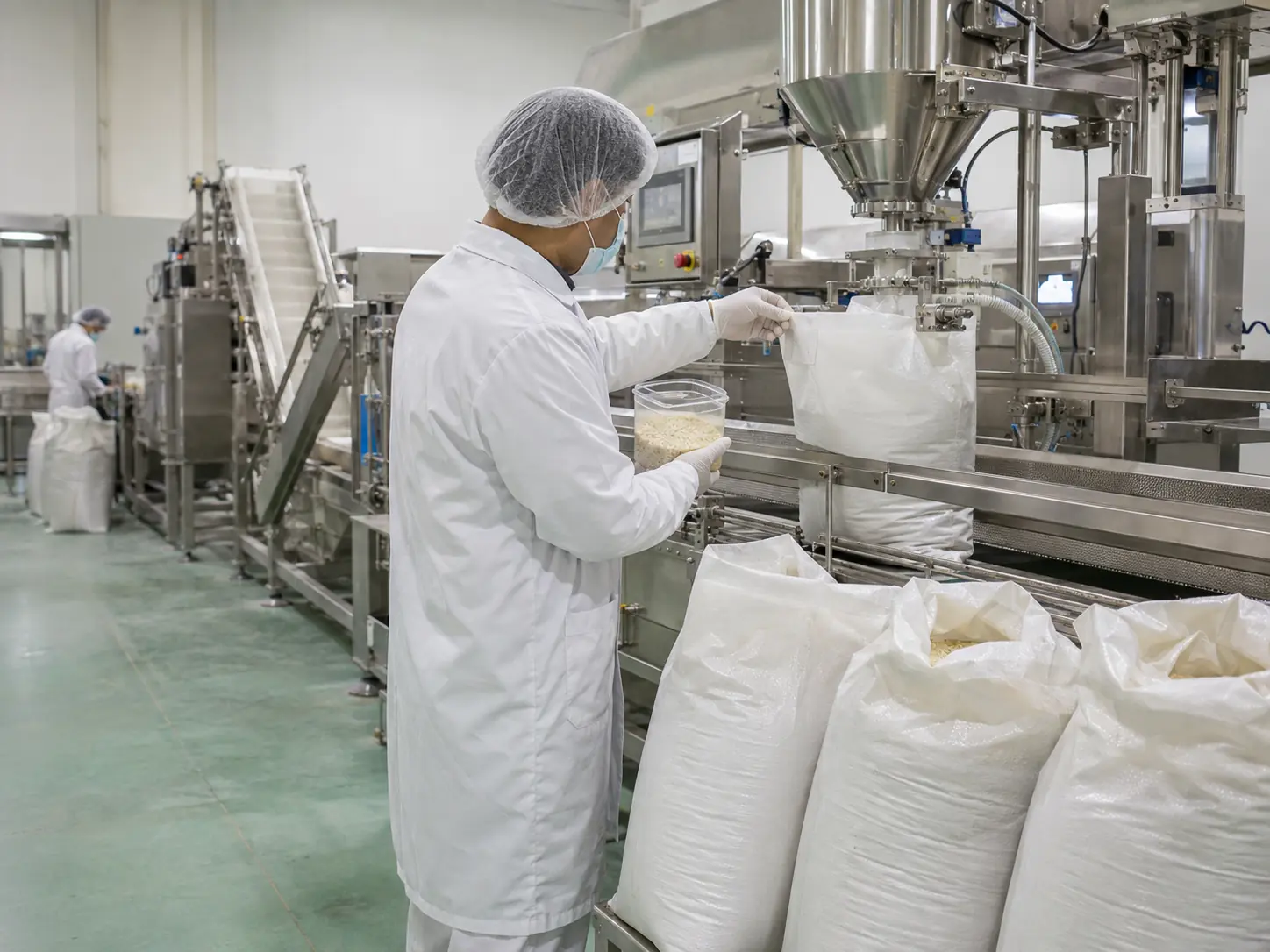
Do not compare suppliers only by the first price. Check whether the supplier can repeatedly provide the exact grade that was approved, keep technical documents clear, maintain consistent sample-to-bulk performance, support the required packing and export documentation, and respond quickly when an application or quality issue needs traceability. Keep the approved sample, specification and critical application results as a shared reference for later batches.