Buyer FAQ
Questions Buyers May Ask
What should an overseas buyer review on a potato-ingredient factory page?
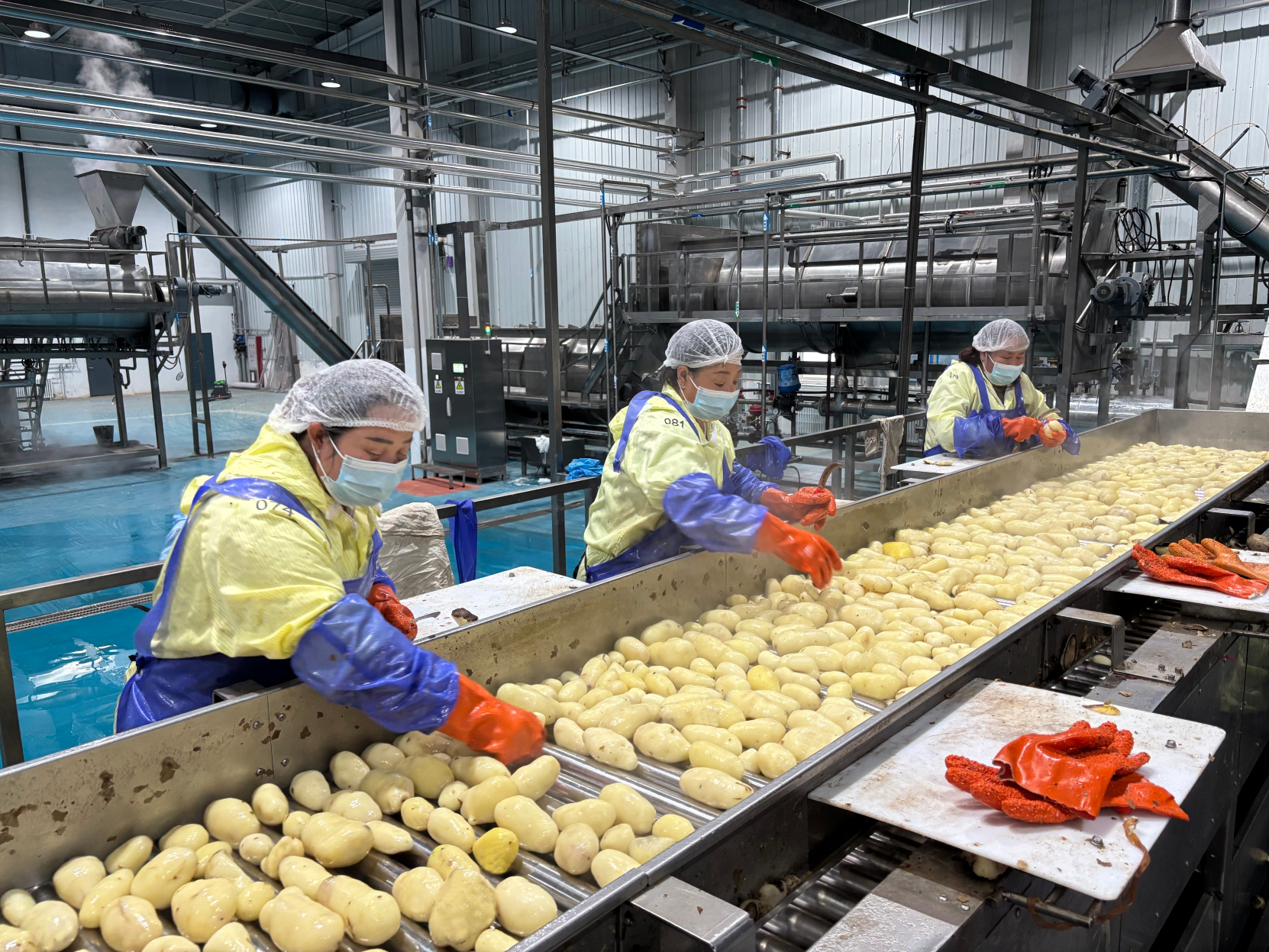
Review the production environment, relevant process route, quality checkpoints, packing, batch identification, storage and dispatch preparation. The strongest evidence is information that can be linked directly to the product grade being sourced rather than general factory claims.
Do factory photos replace a product specification or COA?
No. Factory evidence helps establish production context, while the specification or TDS defines the product and the COA provides batch-level information where applicable. Industrial supplier approval is stronger when factory evidence, documents and the buyer’s sample trial are reviewed together.
When should machine specifications and capacity be stated?
Only verified values should be published. A buyer can still understand the production flow and control points without relying on unconfirmed engineering figures. Detailed equipment or capacity information should be discussed separately when it is relevant to the purchasing project.
How should a buyer connect the first approved sample to later batches?
Keep the approved grade name, specification, important application results and relevant batch documents as the reference. Later deliveries can then be compared against the same purchasing and application basis instead of restarting the review from product name alone.
What packing and dispatch information should be checked before an order?
Confirm the packing format, net weight, batch identification, pallet or non-pallet requirement where relevant, destination, trade term and the documents required for the shipment. These items should be aligned with the exact product and commercial order.
Can a buyer request additional factory or production information during supplier approval?
Yes. The request should be specific to the product and the approval concern—for example production-area photos, packing evidence, quality documents or clarification of a process checkpoint. Focused requests are more useful than collecting large amounts of unrelated factory material.