What is the main difference between Potato Granules and Potato Flakes?
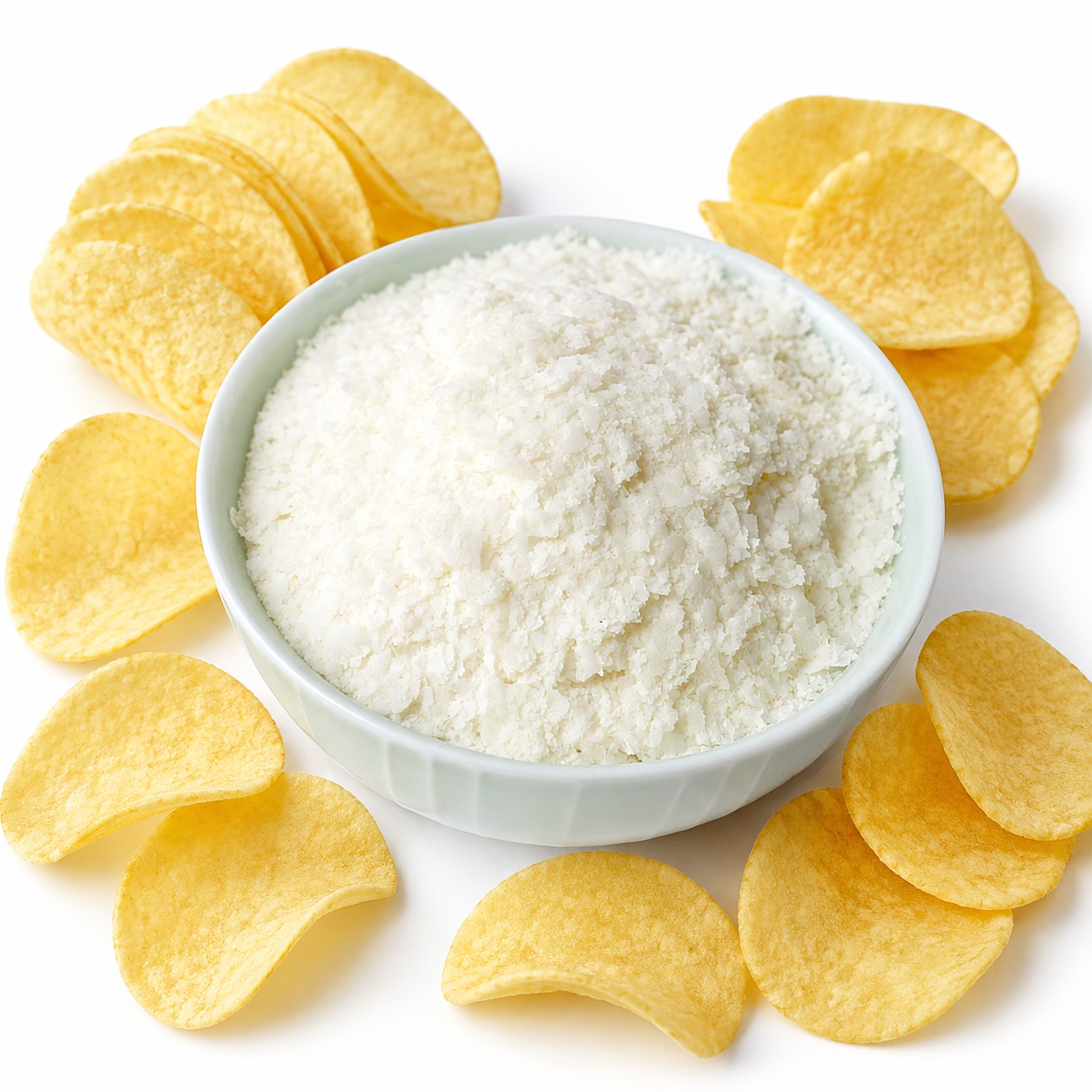
Both are dehydrated whole-potato ingredient formats, but their physical structure and process behaviour differ. Potato Flakes are flake-shaped and are commonly evaluated for fabricated chips, mash and recipes that benefit from flake-style hydration. Potato Granules are granular, so buyers often focus more on dry flow, bulk density, blending, dosing and controlled rehydration. One should not replace the other on price alone; comparative trials in the same formulation are the safer basis for selection.
Which food-processing projects should test Potato Granules first?
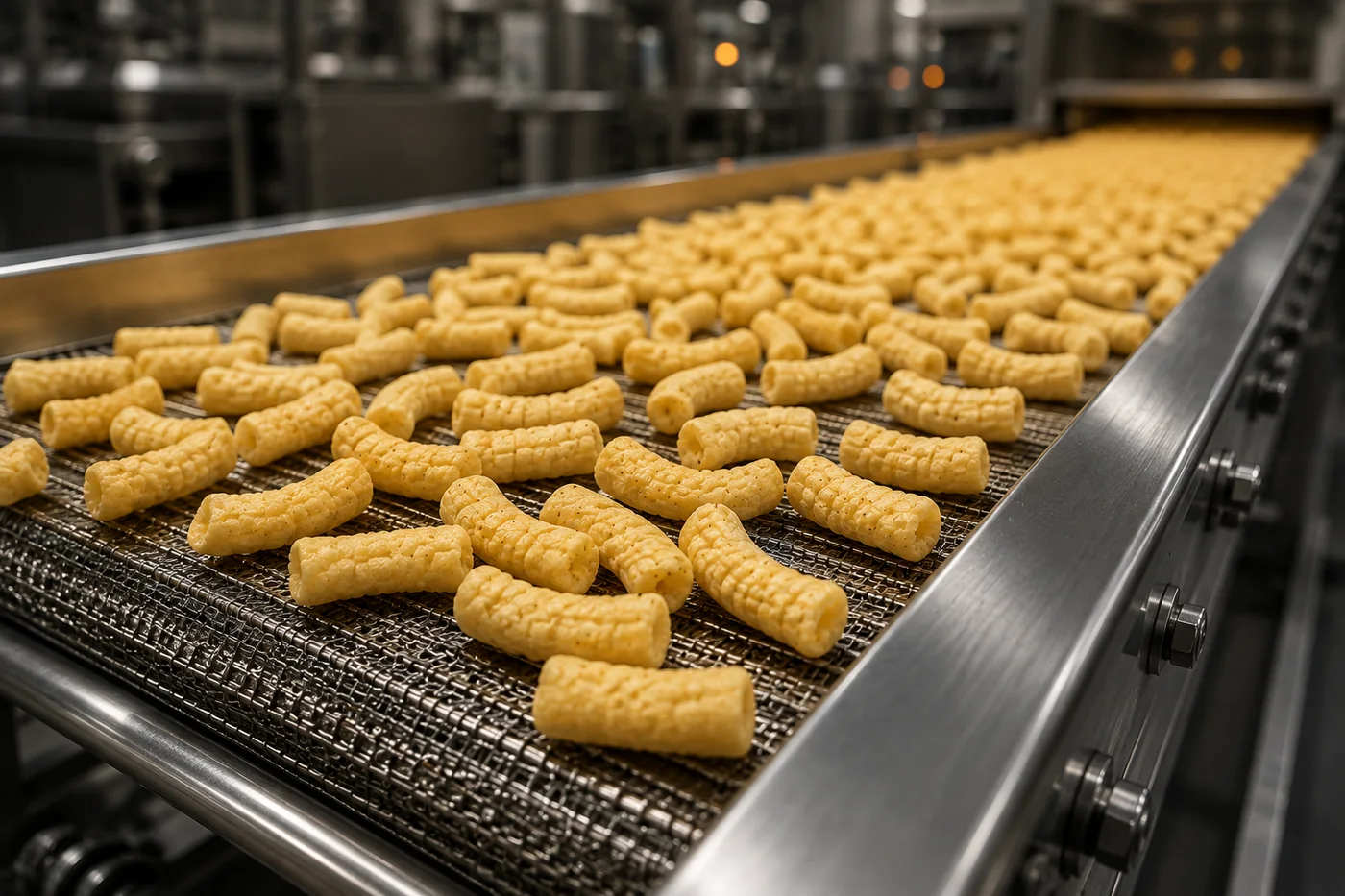
Granules are often worth testing first when the line values dry conveying, automatic dosing, standardised dry blending, extrusion or repeatable rehydration. Typical routes include extruded snacks, instant mashed potato, selected formed foods, foodservice dry systems and industrial premixes. The final decision should still be based on the actual recipe and finished-product target.
Which specifications should buyers compare for Bulk Potato Granules?
A practical review normally includes granule or particle format, moisture, bulk density, colour and appearance, rehydration behaviour, flow or handling performance, microbiological limits, packing and shelf life. For automated dosing or dry-blend lines, include conveying, segregation and dosing repeatability in the sample trial instead of relying only on one or two COA values.
Why does bulk density matter when buying Potato Granules?
Bulk density changes the volume occupied by a given weight of product. That can affect silo capacity, volumetric dosing, pack utilisation and ingredient volume relationships in the recipe. If the plant uses fixed-volume feeding or has tight packing constraints, density should be checked against the existing equipment before a bulk order.
How should a Potato Granules sample be tested?
Run the sample under production-like conditions and record dry flow, blend uniformity, feeding stability, hydration speed, water addition, mixing method, holding time, finished texture and any change during continuous operation. Extrusion projects should also record expansion, internal structure, crispness and final moisture. After the sample passes, review the TDS, COA and commercial terms before approving bulk supply.
Can buyers request a sample, TDS and COA before a bulk order?
For industrial food ingredients, reviewing the specification documents and running a sample trial before scale-up is a practical purchasing process. When requesting a sample or quotation, provide the application, expected volume, critical specifications and destination country or port so the supplier can prepare a more relevant grade and documentation set.
What information should I send when requesting a quote from a China Potato Granules supplier?
Share the finished food, production process, current ingredient or target specification, expected order volume, packing requirement, destination port and any certification or document requirements. If an existing sample, TDS or COA is available, it can also be used as a benchmark. Better application information usually leads to a more relevant first sample and quotation.
How should I evaluate a China Potato Granules supplier for long-term purchasing?
Do not evaluate only the first quoted price. Long-term supply also depends on specification and batch consistency, whether samples match bulk deliveries, TDS/COA completeness, packing and delivery execution, export communication, and the supplier’s ability to provide useful technical information when a formulation or quality issue appears. For critical applications, keep batch trial records for ongoing comparison.